Dreaming of a home with extra space in Darnestown? It is easy to picture the obvious perks: more privacy, room to spread out, mature trees, and a little breathing room that can be hard to find in more built-up parts of Montgomery County. But when you buy a home with land here, the acreage is only part of the story. You also need to understand how zoning, well and septic systems, environmental rules, and future improvement plans can affect what that land really means for you. Let’s dive in.
Why Darnestown land purchases feel different
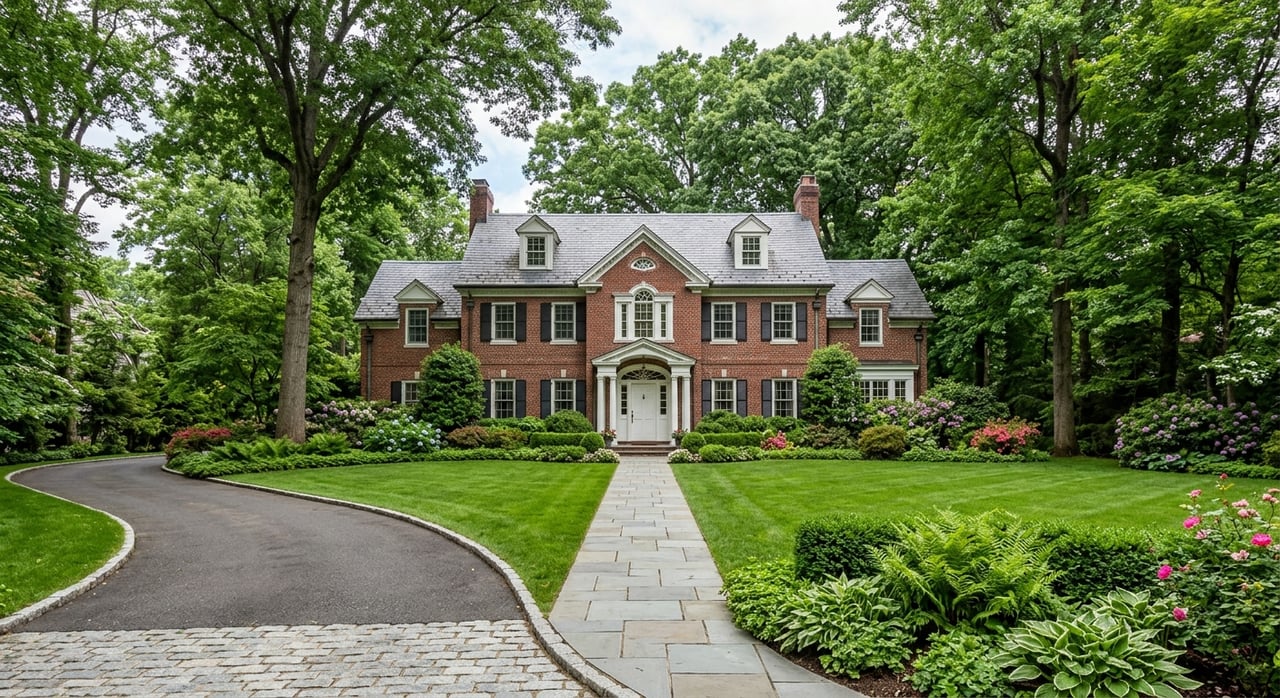
Darnestown sits in a semi-rural part of the Seneca Creek Valley, and planning materials describe much of the area as Rural Cluster zoning with low-density residential and agricultural uses. That setting is a big reason buyers are drawn here in the first place. The land often adds privacy, open views, and a more spacious feel that is part of Darnestown’s appeal.
At the same time, county planning guidance makes it clear that Darnestown’s character is meant to be preserved, protected, and enhanced. In practical terms, that means you should not assume a lot is as flexible as it looks in listing photos. Before you fall in love with a property based on the acreage alone, it is smart to confirm the current zoning and any overlays on the county’s official digital zoning map.
Start with the land, not just the house
When you tour homes with larger lots, it helps to shift your thinking a bit. You are not only evaluating bedrooms, baths, and finishes. You are also evaluating how the parcel itself functions and what limits may come with it.
A beautiful lot can include easements, wooded conservation areas, stream buffers, or other restrictions that affect how much of the land is truly usable. That does not make the property less valuable, but it does change how you plan for gardens, outdoor living, future structures, or site work.
Check zoning and overlays early
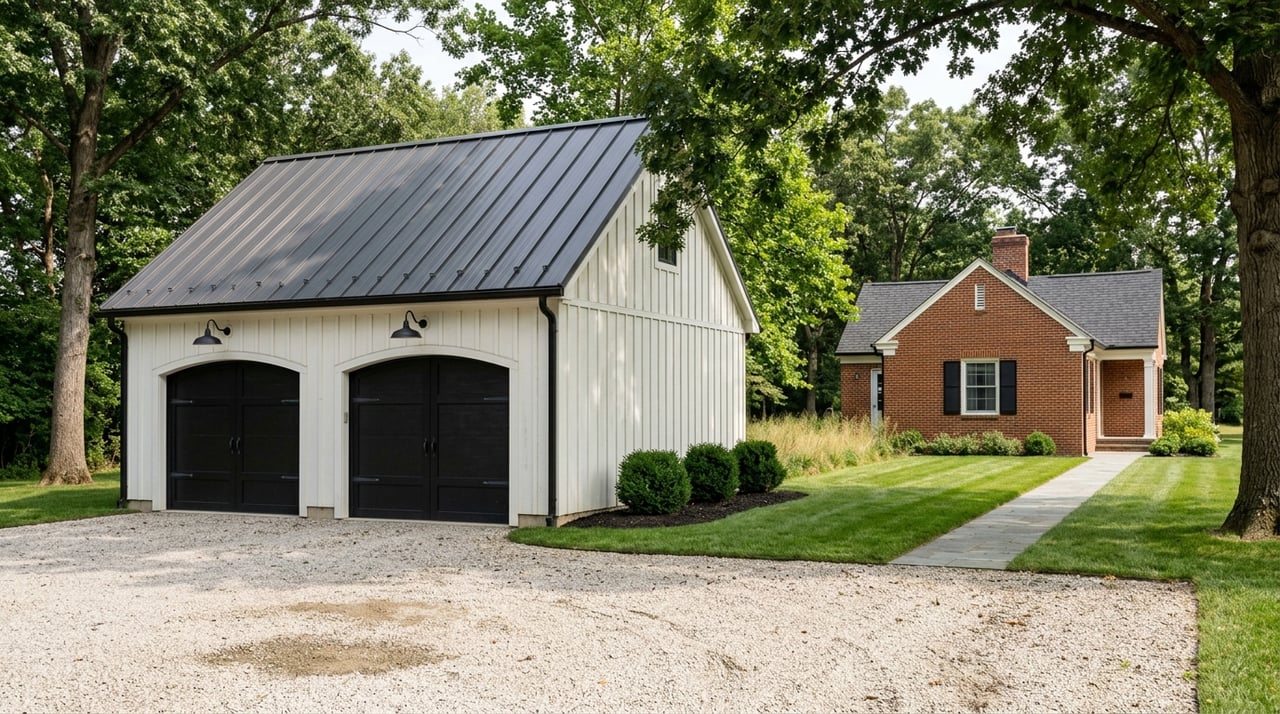
One of the first questions to answer is whether the property’s current zoning aligns with your goals. If you are hoping for a pool, detached garage, workshop, addition, or more extensive landscaping, zoning and overlays matter. A large lot does not automatically mean unlimited options.
This is especially important in Darnestown, where preserving open space and community character is part of the planning framework. A quick review early in the process can help you avoid expensive assumptions later.
Review the survey or plat carefully
The survey or plat can tell you a lot that listing photos cannot. It may show easements, conservation areas, and the general layout of the parcel in a way that helps you understand where improvements may or may not fit.
If your plans include any future changes, this document becomes even more important. It can help you see whether the land that looks usable on a casual tour is actually available after setbacks and restricted areas are taken into account.
Well and septic deserve serious attention
Many buyers love the idea of a home with land, but some forget that a private well and septic system come with real ownership responsibilities. Montgomery County says that with private well and septic, the property is effectively its own sanitary utility. That means the owner is responsible for operating, maintaining, and replacing those systems.
This is not something to treat as a side note in the transaction. The performance of these systems depends on soil, rock, and maintenance conditions on the property, so due diligence matters.
Why well testing matters
Maryland guidance recommends testing well water at least annually. It also recommends testing after any noticeable change in taste, smell, or appearance.
For a buyer, that means it is worth asking for recent records and understanding the condition of the system before contingencies expire. It is also helpful to know that only licensed well drillers may construct, modify, or properly abandon wells in Maryland.
Why septic inspections matter
Septic inspections are not just a box to check. Maryland requires property-transfer septic inspectors to be licensed, and each inspection must use the state standard form.
That makes septic review a core part of the buying process for homes with land in Darnestown. If the property relies on septic, you want a clear picture of its condition, maintenance history, and any issues that could affect your costs after closing.
Understand connection rules too
Montgomery County also notes that where properties are planned for public water and sewer service, owners are generally expected to connect if an onsite system fails or if redevelopment is proposed. In some cases, exceptions may be needed before a new or replacement onsite system is permitted.
That is an important detail if you are buying with long-term plans in mind. What works today may not be the same path you would follow if the system fails later or if you plan a major project.
Scenic land may come with limits
Some of the most attractive properties in Darnestown include woods, streams, or rolling topography. Those features can make a property feel special, but they can also trigger environmental or permitting limits that affect how the land can be used.
This is where buyers benefit from slowing down and asking better questions. The goal is not to find reasons to walk away. The goal is to understand the land well enough to buy with confidence.
Forest conservation can affect wooded acreage
Montgomery Planning says forest conservation easements help protect forests, streams, and wetlands by limiting certain activities. The county’s forest conservation law can also restrict tree removal and require planting and maintenance when land is developed or altered.
So if a wooded backyard is part of the appeal, that is worth a closer look. Mature trees can add privacy and beauty, but they may also come with meaningful limits on clearing or future changes.
Special Protection Areas add another layer
In some watersheds, Special Protection Area rules require additional protections for new and expanded development projects. Montgomery Planning provides mapping tools to help check whether a property is in or near one of these areas.
For many existing homes, this may not affect daily use if no changes are planned. But if you are thinking ahead to expansions or site work, it is worth checking before you assume the project will be simple.
Floodplain rules can shape usable space
Montgomery County says most land-disturbing activity or structure placement in a floodplain district requires a permit. Even if part of a lot is within a floodplain, that does not always mean you cannot buy the property. It does mean you should understand how that area affects future plans.
This can be especially important if you are picturing a play area, pool, garden expansion, or detached structure near lower-lying parts of the site. The most scenic section of a lot is not always the most buildable one.
Future projects need more than extra acreage
A common mistake buyers make is assuming a larger lot automatically solves future space needs. In reality, county permit rules, septic reserve areas, setbacks, easements, and private covenants can all affect what you can add later.
That is why it helps to think beyond the current house and ask what your next five to ten years might look like. If you may want a shed, pool, deck, solar project, or home addition, those questions should come up before you buy.
Sheds and accessory structures still need review
Montgomery County says a building permit is required to install, move, or construct any shed. A single-story shed of 200 square feet or less may avoid structural review, but zoning review, site plan submission, anchorage requirements, and final inspection still apply.
That is a great example of why “there’s plenty of room” is not the same as “you can build it easily.” The county still needs to see where the structure will sit and whether it complies with other requirements.
Well and septic lots need site planning
On properties with private well and septic, the county’s permit submittal requirements call for a scaled site plan showing the well, septic system, and approved septic reserve area for projects such as additions, decks, fences, pools, sheds, and solar.
That reserve area matters. Even if your lot is large, the space available after these systems and required areas are accounted for may be smaller than expected.
Private covenants can matter too
Montgomery County notes that many subdivisions have private deed restrictions and covenants that the county does not enforce. So even if county rules allow something, a private restriction could still affect your plans.
If you are buying a home with land because you want flexibility, it is wise to review both public requirements and any private rules tied to the property.
A practical buyer checklist for Darnestown
Before you move forward on a home with land in Darnestown, keep this checklist handy:
- Confirm the exact zoning and any overlays on the parcel.
- Review the survey or plat for easements, conservation areas, and approximate buildable space.
- Ask for recent well and septic records, including any property-transfer inspection reports.
- Check for floodplain, Special Protection Area, and forest conservation issues.
- Verify permit requirements before planning sheds, garages, grading, pools, additions, or major site work.
Why local guidance helps
Buying a home with land in Darnestown is often less about finding the biggest lot and more about avoiding surprises after you go under contract. The right property is the one that fits both your lifestyle and the county rules that apply to it.
This is where local, hands-on guidance can make a real difference. When you understand the parcel’s physical realities, review the right records early, and bring in the right professionals when needed, you can make a much more confident decision.
If you are considering a home with land in Darnestown, Betsy Taylor can help you look beyond the listing photos and evaluate the details that matter most.
FAQs
What makes buying a home with land in Darnestown different from buying a typical suburban home?
- Darnestown has a semi-rural setting, and many properties may involve zoning limits, environmental considerations, and private well and septic systems that require more due diligence than a typical lot.
What should you check first when buying land with a house in Darnestown?
- Start by confirming the property’s zoning, overlays, survey details, easements, and any conservation or environmental limits that could affect how the land can be used.
Why are well and septic inspections important for Darnestown home buyers?
- Private well and septic systems are the owner’s responsibility, and Maryland requires licensed septic transfer inspectors using a state standard form, so these inspections are a key part of evaluating the property.
Can you add a shed or addition on any large lot in Darnestown?
- Not necessarily. Future projects may be limited by zoning, setbacks, easements, septic reserve areas, permit rules, and private covenants, even on a large parcel.
How can you tell if a Darnestown property has environmental restrictions?
- Review the survey or plat and check for items such as forest conservation easements, floodplain areas, and Special Protection Area considerations before assuming all acreage is fully usable.