If you are getting ready to sell in Potomac, it can be tempting to think you need a major renovation to compete. In reality, most sellers do better with smart preparation, not a full-scale overhaul. In a market where homes command high prices and buyers still move quickly, the right updates can help your home show well, photograph beautifully, and launch with confidence. Let’s dive in.
Why prep matters in Potomac
Potomac is not a one-size-fits-all market. The area has a high share of detached, owner-occupied homes, and many properties are large, with four or more bedrooms and nine or more rooms. Home values are also significantly above the broader Montgomery County median, which means buyers often arrive with high expectations for condition and presentation.
At the same time, many Potomac homes were built in the 1960s and 1970s. That age profile matters because even well-cared-for homes can show wear in finishes, lighting, paint, and core systems. If your home has been lovingly maintained for years, thoughtful prep can help it feel current without stripping away its character.
Recent market data also show that Potomac remains active, with median sale prices above $1.2 million and homes selling in a matter of weeks on average. That does not mean buyers will overlook clutter, deferred maintenance, or dark rooms. It means your first impression matters even more.
Start with a condition audit
Before you paint a wall or book a photographer, begin with a practical review of your home’s condition. Maryland’s disclosure framework offers a useful checklist for sellers because it focuses on the areas buyers care about most.
Look closely at the following:
- Roof
- Walls and floors
- Foundation
- Basement
- Plumbing
- Electrical
- Heating and cooling
- Water and sewer systems
- Insulation
- Pests
- Potential hazards such as lead-based paint, asbestos, radon, underground storage tanks, and landfills
This step is especially important in Potomac, where many homes are older and larger. A calm, organized audit helps you separate cosmetic issues from true deal-breakers, so you can spend money where it counts.
Fix the issues buyers notice first
When buyers walk through a home, they tend to react quickly to signs of neglect. Lingering odors, cluttered closets, dark rooms, visible dirt, overstuffed storage, and uneven finishes can create doubt fast. In a price range where buyers expect polish, these small frictions can affect how they view the entire property.
That is why the best first round of prep is often simple and visible. Focus on cleanliness, lighting, minor repairs, and anything that makes the home feel cared for. A loose handle, burned-out bulb, scuffed trim, or musty basement may seem minor to you, but together they can make a home feel like work.
If you are deciding where to start, prioritize these items first:
- Deep cleaning from top to bottom
- Removing odors
- Repairing obvious deferred maintenance
- Replacing dim or mismatched light bulbs
- Touching up paint and trim
- Clearing crowded closets and storage areas
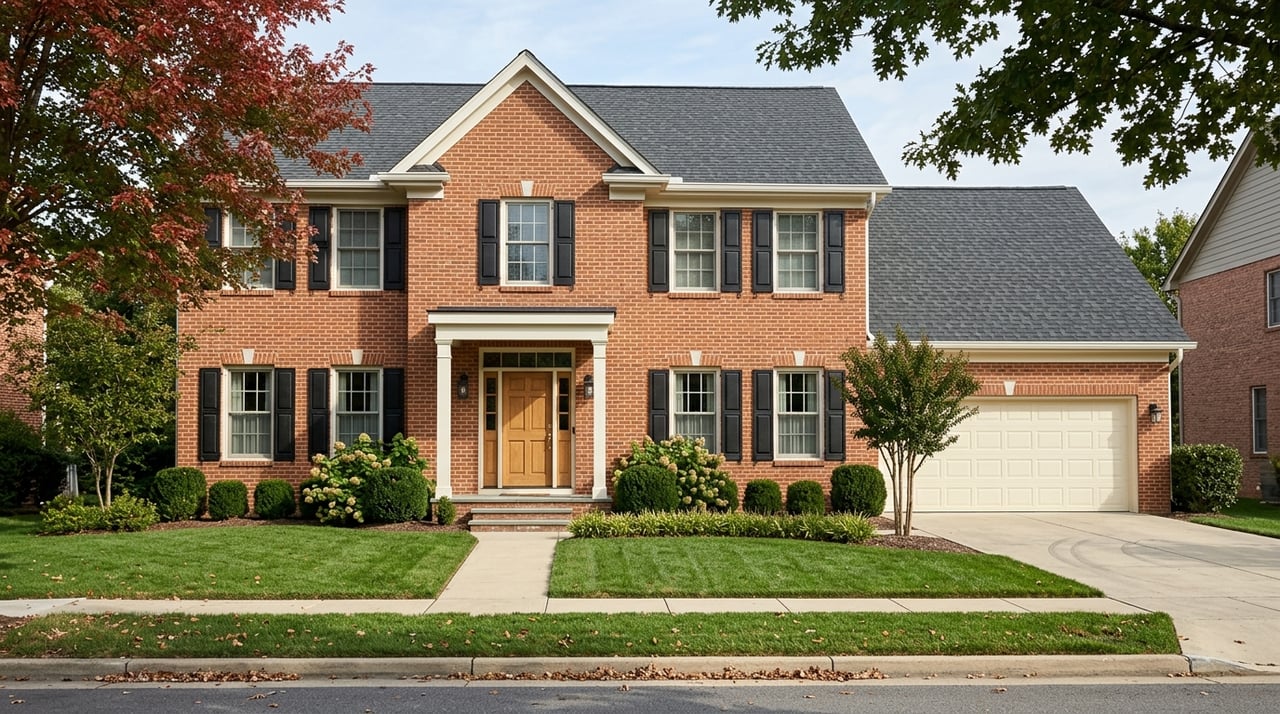
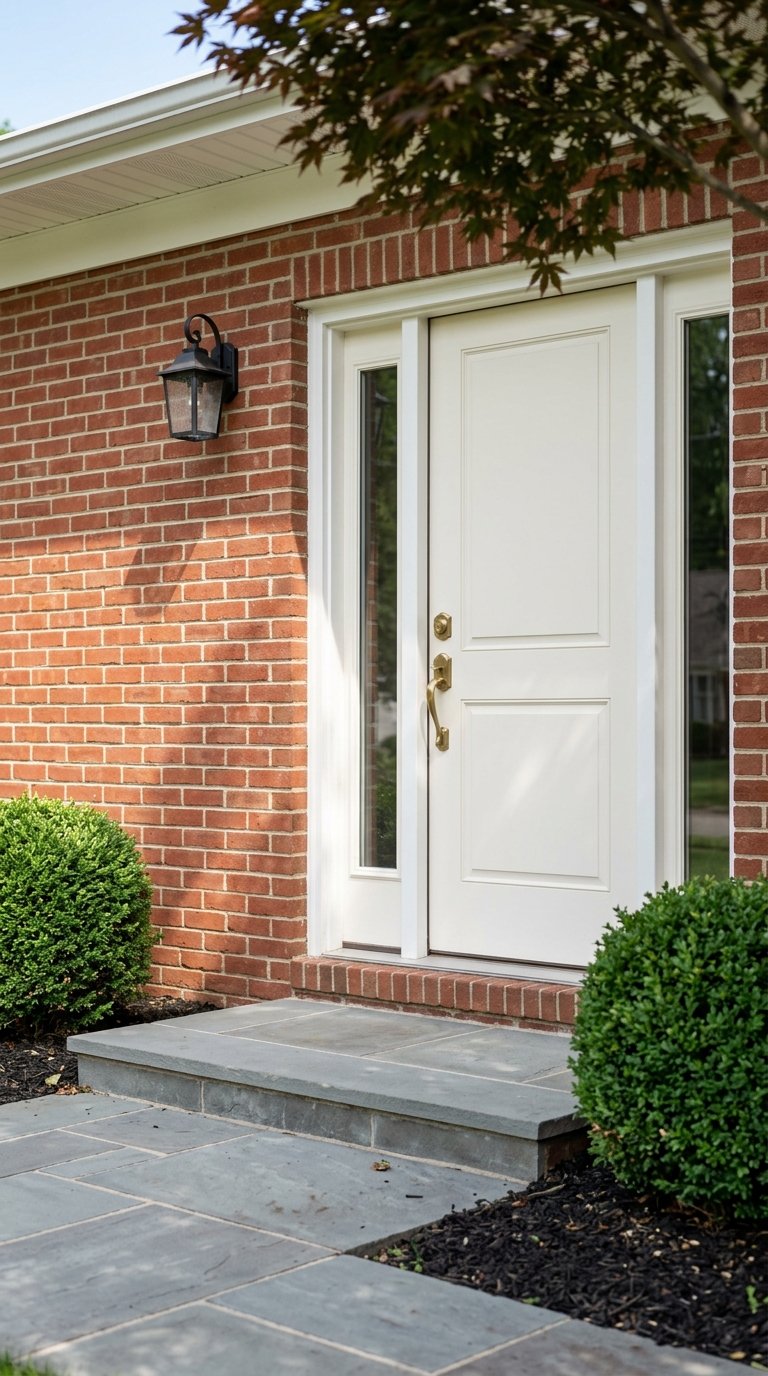
- Refreshing the front entry and basic landscaping
Choose refreshes over major remodeling
For most Potomac sellers, targeted improvements make more sense than large renovation projects. If your kitchen or baths are functional but not brand new, you may be better off improving the home’s presentation and pricing realistically for any dated features.
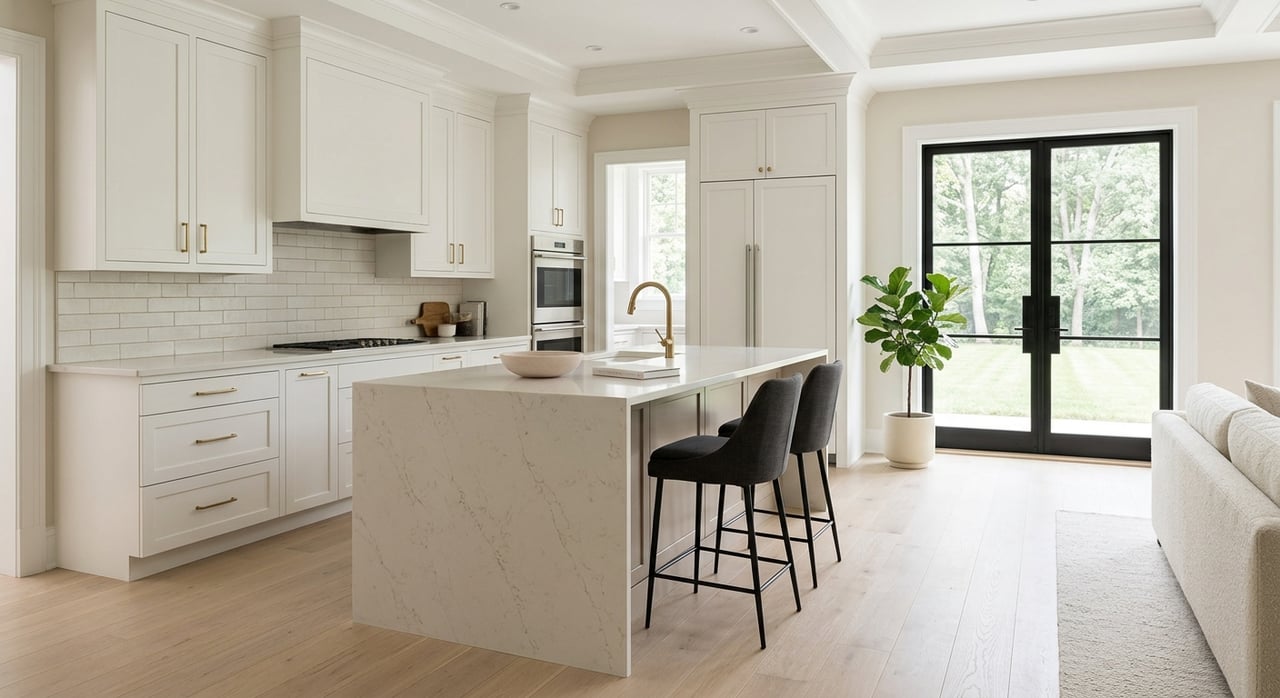
A smaller refresh usually creates less stress, costs less, and gets you to market faster. Neutral paint, better lighting, polished surfaces, clean grout, updated hardware, and exterior cleanup often go further than a costly remodel that delays your listing.
This is particularly true if your goal is to sell well, not renovate for your own long-term enjoyment. Buyers often respond strongly to homes that feel clean, bright, and move-in ready, even when every finish is not brand new.
Be thoughtful with Potomac architecture
Potomac includes homes with distinct architectural personalities, and that should shape your prep decisions. In places such as Potomac Overlook, contemporary design matters, and replacement elements should stay compatible with the original style.
That means generic updates are not always the best answer. Swapping in features that clash with the home’s architecture can make the property feel less cohesive, not more valuable. If your home has a clear design identity, aim for updates that respect it.
If your property is in a Montgomery County historic district or is a designated historic site, exterior changes may require a Historic Area Work Permit. In that case, selective repair and compliant refreshes are usually a wiser path than rushing into exterior redesign work.
Stage for scale, not perfection
Many Potomac homes are larger, and large homes need a clear visual plan. Buyers should be able to understand the function of each room and imagine how the spaces connect. That is where decluttering, depersonalizing, and selective staging make a real difference.
Staging does not mean turning your home into a showroom. It means helping buyers see space, light, and flow. Research shows that staging helps buyers visualize a home as their own, with living rooms, primary bedrooms, and dining rooms among the most important spaces to stage.
For longtime owners, this often means editing more than you think. Start here:
- Remove most personal photos
- Clear kitchen and bathroom counters
- Thin out bookcases and display shelves
- Simplify closets, storage rooms, and the garage
- Define rooms with clear, consistent purpose
- Use neutral bedding, towels, and accessories
If your home has extra rooms, avoid letting them feel random or crowded. A bonus room should read clearly as an office, den, exercise space, or guest room. Buyers tend to feel more confident when the layout makes immediate sense.
Refresh what buyers see online
Today, your home is not only being shown in person. It is also being judged first through photos, video, and virtual presentation. That makes visual prep part of the product itself, not an optional finishing touch.
Research shows that buyers’ agents place strong importance on listing photos, traditional staging, videos, and virtual tours. In practical terms, that means your home should be fully camera-ready before the listing goes live.
To prepare for marketing day one:
- Finish repairs before staging
- Complete staging before photography
- Check every room for clutter and lighting issues
- Make sure exterior areas are trimmed and tidy
- Schedule photo and video only when the home is fully ready
The first week on market often gets the most attention. If your home launches before it is truly ready, it can be hard to recover that momentum later.
Handle older-home risks carefully
If your Potomac home was built before 1978, lead paint should be part of your planning. Maryland guidance notes that older homes, especially those built before 1950, may contain lead paint, and disturbing painted surfaces can create hazardous dust.
This is one reason to be cautious about last-minute sanding or DIY surface work. If you suspect lead paint may be present, proper testing and certified professionals are the safer route for official purposes. Even if your updates are cosmetic, older materials deserve a thoughtful plan.
You should also consider whether other older-home issues need attention before listing, such as aging systems, moisture in the basement, or outdated electrical components. Not every older feature needs replacement, but visible concerns should be addressed directly rather than ignored.
Know when to price for condition
Not every home needs to be brought to a fully updated standard before it sells. In some cases, the smarter strategy is to prepare the home well, address the most important concerns, and price honestly around what remains dated.
This approach often makes sense when a room or system is clearly older but still functional. It can also be the right choice when a major renovation would take too long, create unnecessary cost, or risk design choices that do not match the home. Buyers in Potomac are active, but they are also selective, and realistic pricing can help them process condition more clearly.
The goal is not to pretend your home is something it is not. The goal is to present it at its best, remove avoidable objections, and position it thoughtfully in the market.
Plan for Maryland and Montgomery County requirements
As you prepare to sell, it helps to think beyond the physical house. Maryland sellers may choose to disclose or disclaim property-condition information, and if you disclose, the state points sellers toward hazards, latent defects, and material facts such as lead paint, asbestos, and mold.
Montgomery County also requires an energy-disclosure step. Sellers must provide 12 months of applicable electricity, gas, and heating-oil bills or cost and usage history, along with county-approved energy-conservation information.
These steps are easier when you start early. Gathering records, reviewing your home’s condition, and making a plan before listing can prevent last-minute stress.
A calm approach usually works best
Selling a longtime home can feel emotional, especially if you are also downsizing, helping a parent, or coordinating with family members in different places. That is exactly why a step-by-step plan matters. You do not need to do everything. You need to do the right things in the right order.
In Potomac, that usually means auditing condition, fixing the most visible concerns, refreshing presentation, respecting the home’s architecture, and launching only when the marketing is fully ready. With the right preparation, you can protect value without taking on a renovation project that was never necessary.
If you are wondering which updates are worth doing before you list your Potomac home, Betsy Taylor can help you create a tailored plan for repairs, staging, pricing, and launch timing.
FAQs
What repairs matter most before selling a Potomac home?
- Focus first on visible maintenance issues, deep cleaning, odors, lighting, paint touch-ups, and any concerns involving major systems or hazards.
How much staging does a large Potomac home need?
- Most large homes benefit from decluttering, depersonalizing, and staging key rooms such as the living room, primary bedroom, and dining room so buyers can understand the space clearly.
Should you renovate a dated Potomac home before listing?
- Usually, a targeted refresh works better than a major remodel if the home is functional and your main goal is a strong sale with less delay and disruption.
What should sellers know about lead paint in older Potomac homes?
- Homes built before 1978 may contain lead paint, so you should avoid disturbing old painted surfaces without a plan and use proper testing or certified professionals when needed.
When do Potomac sellers need to think about historic or design guidelines?
- If your home is in a style-sensitive area or a designated historic resource, exterior changes may need to stay compatible with the architecture and may require county approval.
What should be ready before a Potomac listing goes live?
- Repairs, staging, photography, video, and overall presentation should be complete before launch so your home makes the strongest possible first impression.