If you are looking for a place that feels green, established, and a little removed from the rush of the city, Potomac often stands out right away. You may be wondering what everyday life here actually looks like once the moving boxes are unpacked and real routines begin. This guide walks you through what to expect from daily living in Potomac, from errands and commuting to outdoor time and the overall feel of the community. Let’s dive in.
Potomac feels spacious and established
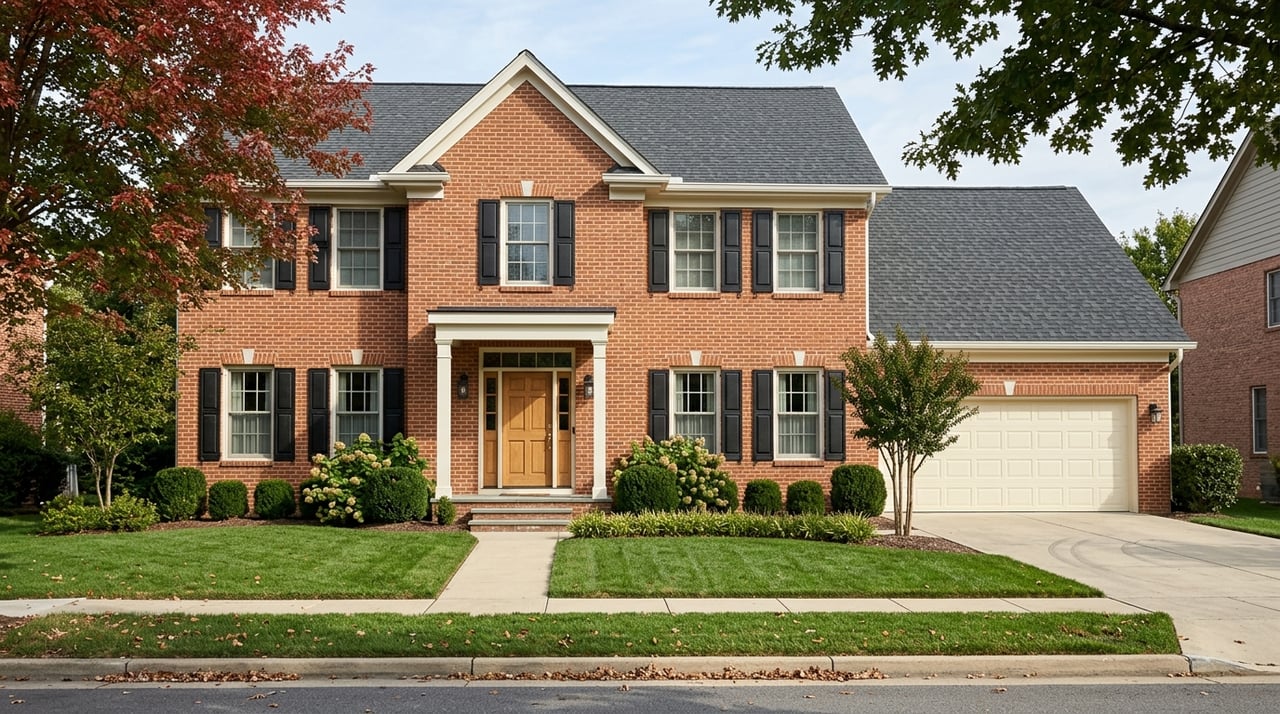
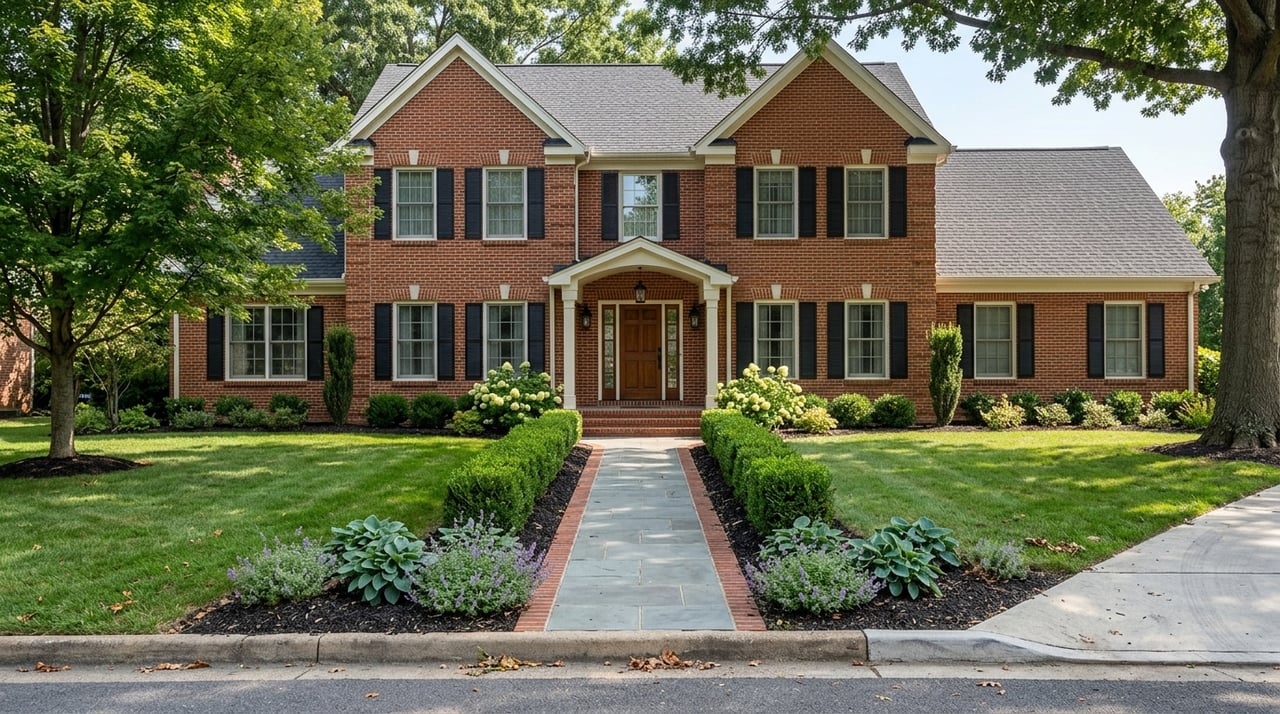
Potomac is known for its semi-rural and suburban character. Montgomery Planning describes the area as a community that evolved from rural and agricultural roots while keeping environmental quality at the center. That helps explain why Potomac often feels greener and more open than more urban nearby areas.
For many buyers and downsizers, that daily experience is a big part of the appeal. Instead of a dense urban core, you will find an established residential setting with more space, mature landscaping, and a quieter rhythm. It can feel especially attractive if you want room to spread out without leaving Montgomery County.
Potomac is also a sizable community. According to the Potomac Community Recreation Center, the area covers 26.6 square miles and includes about 45,000 people and 16,000 homes. More than 38% of households include children under 18, which helps shape the day-to-day pattern of parks, activities, and local services.
Daily life is village-centered
One of the most useful things to know about Potomac is that it does not revolve around a single downtown. Instead, shopping, dining, and errands tend to cluster in a few village centers and key corridors. That means your routine will likely involve choosing the most convenient hub for the task at hand.
Montgomery Planning identifies Potomac Village as the commercial heart of the community. At the same time, the area’s long-standing village-center pattern is more auto-oriented than pedestrian-oriented. In practical terms, that means you will probably drive between errands more often than you would in a denser town center.
This layout works well for many residents because it supports a comfortable suburban routine. You can usually handle groceries, coffee, pharmacy runs, and casual dining without going far. You just may not do it all in one compact, walkable district.
Potomac Place supports everyday errands
Potomac Place Shopping Center is one of the community’s long-established local hubs. Located at River Road and Falls Road, it has served the surrounding area since the 1960s and brings together shops, services, and restaurants in one place.
For daily living, that kind of convenience matters. Whether you need a quick stop between appointments or want to stack several errands into one trip, centers like Potomac Place help make suburban routines more manageable.
Cabin John Village adds another convenient hub
Cabin John Village is another major errand and dining destination used by many Potomac residents. Its directory includes Giant, CVS Pharmacy, Starbucks, Bethesda Bagels, Gregorio’s Italian Restaurant, Cava, Shake Shack, Sisters Thai, and other services.
That mix gives you a practical blend of essentials and casual dining options. It also reinforces a common Potomac pattern: rather than relying on one main street, you will likely rotate between a few convenient centers depending on where you live and what you need.
Outdoor access is part of daily life
For many people, one of Potomac’s biggest strengths is how easy it is to spend time outside. Nature is not just an occasional weekend bonus here. It is woven into the character of everyday living.
The Chesapeake & Ohio Canal National Historical Park runs 184.5 miles along the Potomac River, and the National Park Service allows bicycling on the towpath. That creates a memorable local backdrop for walks, rides, and longer outings close to home.
If you enjoy having options, Potomac delivers a good range. Some outdoor spaces are ideal for quick neighborhood recreation, while others feel more like destination experiences for a half-day adventure.
River access shapes the local lifestyle
Great Falls Park and the Carderock area are major parts of the local outdoor identity. The National Park Service notes that the Potomac River builds speed and force at Great Falls, giving the area a dramatic natural setting that draws visitors throughout the year.
Carderock is also identified by the National Park Service as the corridor’s most popular rock-climbing area. Even if climbing is not your thing, the broader river setting adds a sense of access to nature that is hard to replicate in more built-up communities.
Trails offer variety for different routines
The Billy Goat Trail is one of the area’s signature hikes. The National Park Service says its three sections total eight miles, with Section C closest to Carderock Recreation Area.
For longer outings, the Muddy Branch Greenway Trail provides a 9-mile natural-surface route for hiking, biking, and horseback riding. Rock Run Stream Valley Park adds a quieter undeveloped buffer near the C&O Canal, which can appeal if you prefer a less busy nature experience.
These options matter because they support different types of routines. You might choose a brief after-work walk one day and a longer trail outing on the weekend, all without straying far from home.
Local parks make recreation easy
Potomac also has practical, close-to-home recreation spaces that support everyday schedules. Potomac Community Neighborhood Park includes a playground, a lighted baseball field, and lighted tennis courts.
Falls Road Local Park offers accessible fields and a walking path. Cabin John Regional Park expands the menu even further with a miniature train, ice rink, playgrounds, athletic fields, picnic shelters, and more than five miles of hiking and biking trails.
For households trying to picture real daily life, these details help. It is one thing to hear that an area is outdoorsy. It is another to know that regular parks and recreation amenities are built into the local routine.
Commuting is suburban in practice
Potomac offers a residential setting, but it still connects well to nearby job and activity centers. If you work in Bethesda or travel into Washington, DC, your routine will likely combine driving, local bus service, and in some cases Metrorail.
Road access plays a central role in how people move around. Local centers such as Potomac Place and Cabin John Village are tied to key roads like River Road, Falls Road, Tuckerman Lane, and Seven Locks Road, with access to I-495 nearby.
This is important to understand before you move. Potomac can feel calm and tucked away, but daily life still depends heavily on your route planning and how often you need to be elsewhere.
Bethesda is a key transit connection
For many residents, Bethesda is the main transfer point for rail access. Montgomery County’s Ride On Route 36 operates Monday through Friday and connects Bethesda Station with roads that serve Potomac, including Bradley Boulevard, Seven Locks Road, and River Road.
Once you reach Bethesda Station, you can connect to WMATA’s Red Line. That gives Potomac residents a clear path into other parts of Montgomery County and into Washington, DC.
Expect a car-oriented rhythm
The big picture is simple: Potomac supports commuting, but it does so in a suburban way. Many errands and commute segments still rely on a car or local bus rather than a fully walkable transit-first setup.
For some buyers, that is a comfortable tradeoff. You get more greenery, more residential calm, and more space, while still keeping Bethesda and DC within reach.
What everyday living in Potomac really means
In practical terms, living in Potomac often means balancing convenience with space. You are not choosing an urban main-street lifestyle. You are choosing an established community where daily life happens across neighborhoods, parks, village centers, and major road connections.
That balance is exactly why Potomac appeals to so many different types of buyers. If you value outdoor access, a quieter setting, and an established residential feel, Potomac offers a lifestyle that is hard to duplicate elsewhere in close-in Montgomery County.
If you are thinking about buying or selling in Potomac, having local guidance can make a real difference. From understanding how one pocket of Potomac lives differently from another to planning a smart move around your timing and goals, working with an experienced local advisor helps you make more confident decisions. When you are ready to talk through your next move, connect with Betsy Taylor.
FAQs
What is the overall feel of everyday living in Potomac, MD?
- Potomac has a semi-rural and suburban feel with established neighborhoods, mature greenery, and a quieter daily pace than denser nearby areas.
How do shopping and errands work in Potomac, MD?
- Most errands happen through village centers and road corridors rather than one central downtown, so many residents drive between places like Potomac Village, Potomac Place, and Cabin John Village.
What outdoor activities are available near Potomac, MD?
- Potomac offers access to the C&O Canal towpath, the Billy Goat Trail, Great Falls, Carderock, Muddy Branch Greenway Trail, and local parks with playgrounds, courts, fields, and trails.
How do Potomac, MD residents commute to Bethesda or Washington, DC?
- Many residents drive or use local roads to reach Bethesda, where Ride On Route 36 and the Red Line provide a connection into broader Montgomery County and Washington, DC.
Is Potomac, MD walkable for daily life?
- Potomac is generally more car-oriented than walkable, with daily needs spread across several village centers rather than concentrated in one downtown area.